A preparedness book can give you plenty to think about. The useful next step is deciding what you want to understand, which questions remain open and who needs to join the conversation.
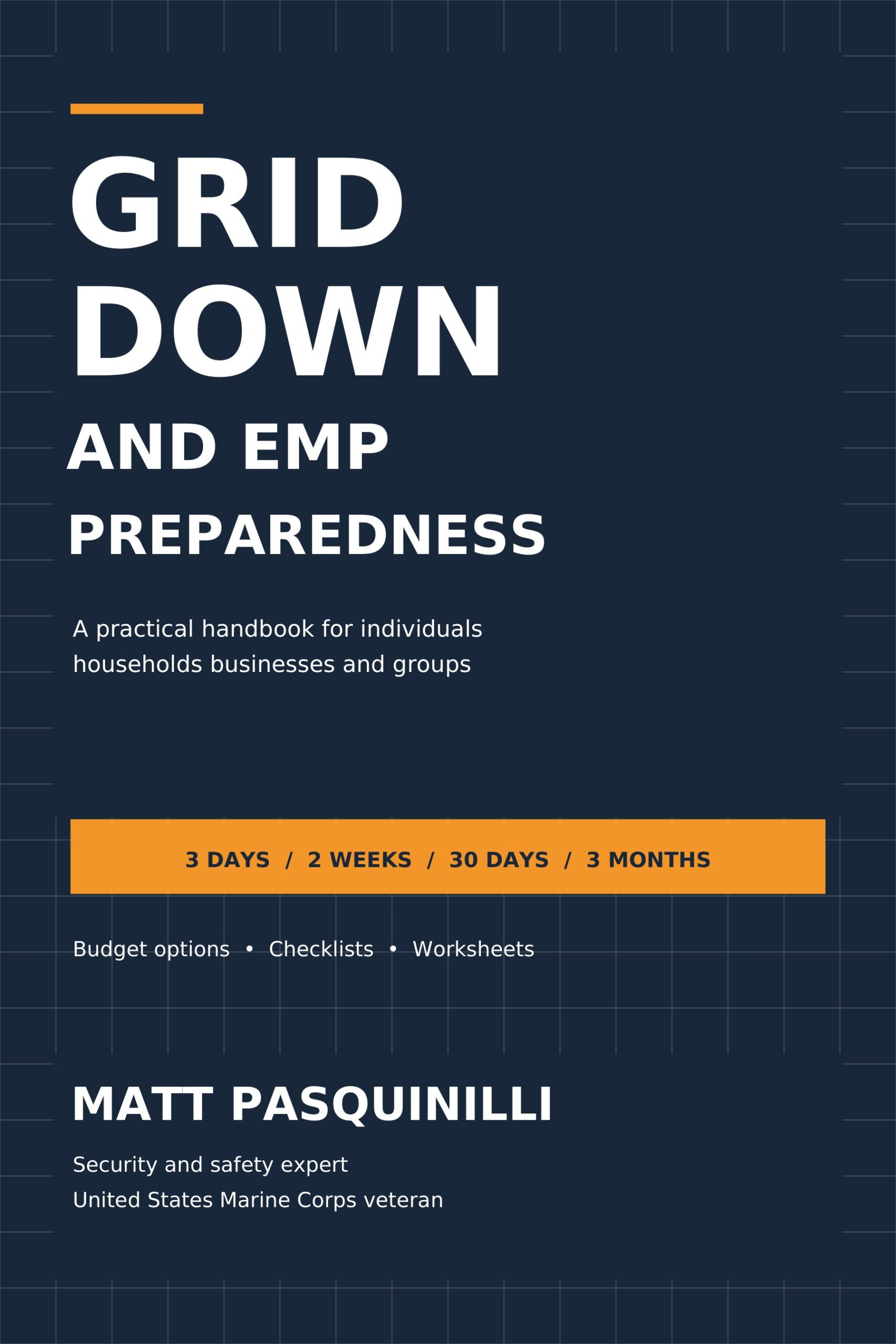
Here is a three-session reading plan for my Grid Down and EMP Preparedness: A Practical Handbook for Individuals, Households, Businesses, and Groups. These are suggested reading prompts for this article, not excerpts or chapter titles from the book.
Paid link: The Amazon link below is an affiliate link. As an Amazon Associate I earn from qualifying purchases. Amazon shows current formats, prices and availability.

Session one: choose the question you are reading to answer
The handbook covers planning for water, food, medical needs, communications, security and business continuity. Rather than trying to tackle every subject at once, choose one area you want to understand better.
Before you read, write a sentence such as, “I want to understand which communication questions our household has not discussed.” For an organization, your question might concern responsibilities or how a planning worksheet could support an existing review.
Read the relevant material, then record what it helped clarify. Keep assumptions visible. “We think this is available” and “We have confirmed this” should not become the same note.
Session two: turn your notes into a conversation
Return to the book with someone involved in your plan. Choose two or three questions from the first session. Explain the issue in your own words and compare what each person understood.
For a household, that may be a conversation about who needs information and where existing contact details are kept. At work, use the appropriate planning lead and your organization’s approved procedures. Avoid publishing private contact information or security details in a public discussion.
Write down questions that need an authoritative answer. A book can support your planning, but local emergency instructions, qualified professional guidance and equipment instructions remain important. Do not use a reading exercise to improvise medical care or change an organization’s emergency procedures.
Session three: close one learning gap
Review your notes and choose one follow-up. It could be rereading a section, asking a responsible person to clarify an existing procedure, or finding the current official guidance for a question you identified.
Give that follow-up an owner and a review date. Keep the task small enough to finish. Buying equipment is not a requirement for completing this reading plan; you may first need a clearer question or better information.
Prefer a guided learning sequence?
The First 72 Hours: A Practical Preparedness Course provides seven self-paced reading lessons, copy-and-print worksheets and a family tabletop drill. This is a reading-based course, not a video demonstration series.
Review the First 72 Hours curriculum — $29 one-time. The book, course and free hub are separate options; choose the format you need rather than buying everything.
A simple reading record
- Topic: What am I reading about?
- Clarified: What do I understand better?
- Unconfirmed: What still rests on an assumption?
- Follow-up: Who will answer the next question, and when will we review it?
If you already own the book, use these prompts with your next reading session. If you are considering it, view Grid Down and EMP Preparedness on Amazon (paid link) and review the current listing.
For free companion resources, visit the Grid Down Preparedness hub. For the broader overview of supplies and planning, read When the Power Goes Out. Explore my other guides and fiction on the books page.
