72-Hour Stockpile Plan: A Practical Family Checklist

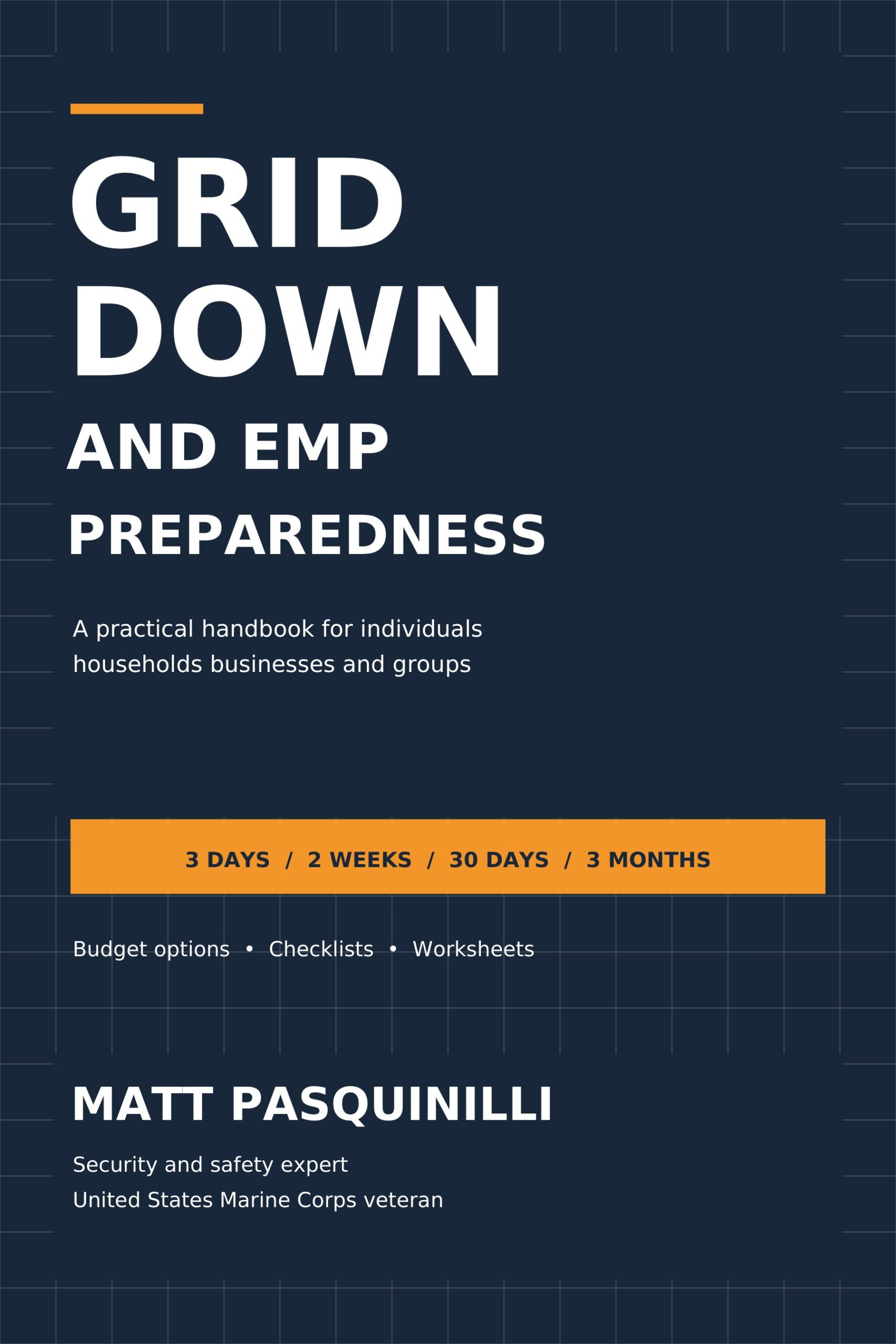
Cover of Grid Down and EMP Preparedness by Matt Pasquinilli

A useful emergency stockpile starts with a clear count of people, days, and needs. Use this checklist to prepare for three days without normal electricity, shopping, or reliable communications.

Make 72 hours your first milestone. Florida recommends at least seven days of hurricane supplies. Build toward that goal as your budget allows, and follow evacuation instructions even when your pantry is stocked.

Start with your household numbers

People: _____   Pets: _____   Last checked: _____

CDC recommends at least one gallon of water per person per day. Add extra for pets, hot weather, illness, and other needs.

People Water for 3 days
1 3 gallons minimum
2 6 gallons minimum
4 12 gallons minimum

Your 72-hour stockpile checklist

1. Water

  • ☐ Store the calculated amount in unopened commercial bottles or properly sanitized food-grade containers.
  • ☐ Label home-filled containers and replace their water every six months; follow dates on commercial bottles.
  • ☐ Store away from heat, sunlight, fuel, and chemicals. Follow local drinking-water advisories.

2. Food you can actually eat

  • ☐ Write three breakfasts, lunches, and dinners using shelf-stable foods your household already eats.
  • ☐ Count portions: four people eating three meals daily need 36 individual meal servings over three days, plus snacks.
  • ☐ Include ready-to-eat beans, canned proteins, fruit, crackers, and suitable nut or seed butter; account for allergies and special diets.
  • ☐ Pack a manual can opener, utensils, and pet food. Keep a no-cook option for every day.

Example no-cook menu: Scale portions to each person’s nutritional needs. Choose foods labeled ready to eat and use single-serving milk packs.

Day Breakfast Lunch Dinner
1 Granola and fruit Beans and tortillas Canned chicken, crackers, vegetables
2 Cereal and shelf-stable milk Ready-to-eat lentils and crackers Canned salmon, corn, fruit
3 Granola and applesauce Seed-butter tortillas Bean salad and crackers

3. Light, power, and information

  • ☐ Put a flashlight or headlamp where each person can find it. Test spare batteries.
  • ☐ Charge power banks and include the correct cables.
  • ☐ Check a battery-powered weather radio and local emergency alerts.
  • ☐ Test smoke and carbon monoxide alarms. Run portable generators outdoors, at least 20 feet from doors, windows, and vents—never in a garage. Never use grills indoors.

4. Health, sanitation, and comfort

  • ☐ Check first-aid supplies, prescription information, eyeglasses, and household care needs.
  • ☐ Arrange medication reserves, temperature-sensitive storage, and medical-device backup with your pharmacist, clinician, or equipment provider.
  • ☐ Gather soap, sanitizer, toilet paper, wipes, trash bags, menstrual products, diapers, and an approved sanitation plan if toilets cannot be used.
  • ☐ Add sturdy shoes, weather-appropriate clothing, bedding, and simple activities for children.

5. Contacts, cash, and a way to leave

  • ☐ Print family numbers, an out-of-area contact, and two meeting locations.
  • ☐ Confirm school pickup and authorized-release procedures.
  • ☐ Protect copies of essential documents; keep keys and small cash bills accessible.
  • ☐ Identify your evacuation destination and routes. Plan transportation for people and pets.

Food-safety reminder: Keep refrigerator doors closed. Without power or another cold source, refrigerated perishables generally need discarding after four hours. Never taste food to decide whether it is safe.

Turn the list into a plan

Inventory before shopping. Buy the missing water, food, and essential supplies first. Give each gap an owner and completion date:

Missing item: __________   Quantity: _____
Owner: __________   Due: __________

Run a 20-minute tabletop drill: explain how you would find a light, prepare dinner, receive updates, contact family, and decide whether to leave. Keep utilities and medical equipment operating during practice. Review supplies twice yearly and after using them.

Questions about a 72-hour emergency stockpile

What should I buy first?

Inventory what you already own, then close gaps in water, ready-to-eat food, a manual can opener and accessible lighting. Add the household needs on the checklist before buying optional equipment. Use the grid-down preparedness checklists to organize the next stage.

How can I practice the plan without switching off the house?

Talk through an outage evening while keeping normal utilities and essential equipment operating. Ask each person to locate a light, explain the contact plan and choose a meal from the stored food. Record missing items and the person responsible for each correction.

Where can I find a longer power-outage plan?

Read the complete power-outage preparedness guide for a broader planning sequence. The preparedness books page connects the practical guides with related reading. School teams can also explore the campus preparedness resources for their organizational responsibilities.

Compare practical blackout supplies

Once you know what is missing, browse my 72-Hour Blackout & Hurricane Essentials collection on Amazon (paid link). It brings together portable phone power, lighting, cable organization, basic supplies and planning resources. Check the current specifications and choose only what fits your household.

As an Amazon Associate I earn from qualifying purchases. Amazon displays current prices and availability.

Choose your next preparedness resource

Guided planning: The First 72 Hours course on Thinkific includes seven self-paced reading lessons, worksheets, and a family drill.

Family stockpiling: The 72 Hour Stockpile on Amazon (paid link) focuses on emergency preparedness and stockpiling food and water.

Longer outages: Grid Down and EMP Preparedness on Amazon (paid link) expands planning to households, businesses, and groups.

Choose the format you need. Amazon displays current formats, prices, and availability. As an Amazon Associate I earn from qualifying purchases.

Planning references: CDC emergency water storage; Florida hurricane supplies; CDC generator safety; CDC food safety during outages.

10 Tips for New Church Security Team Members

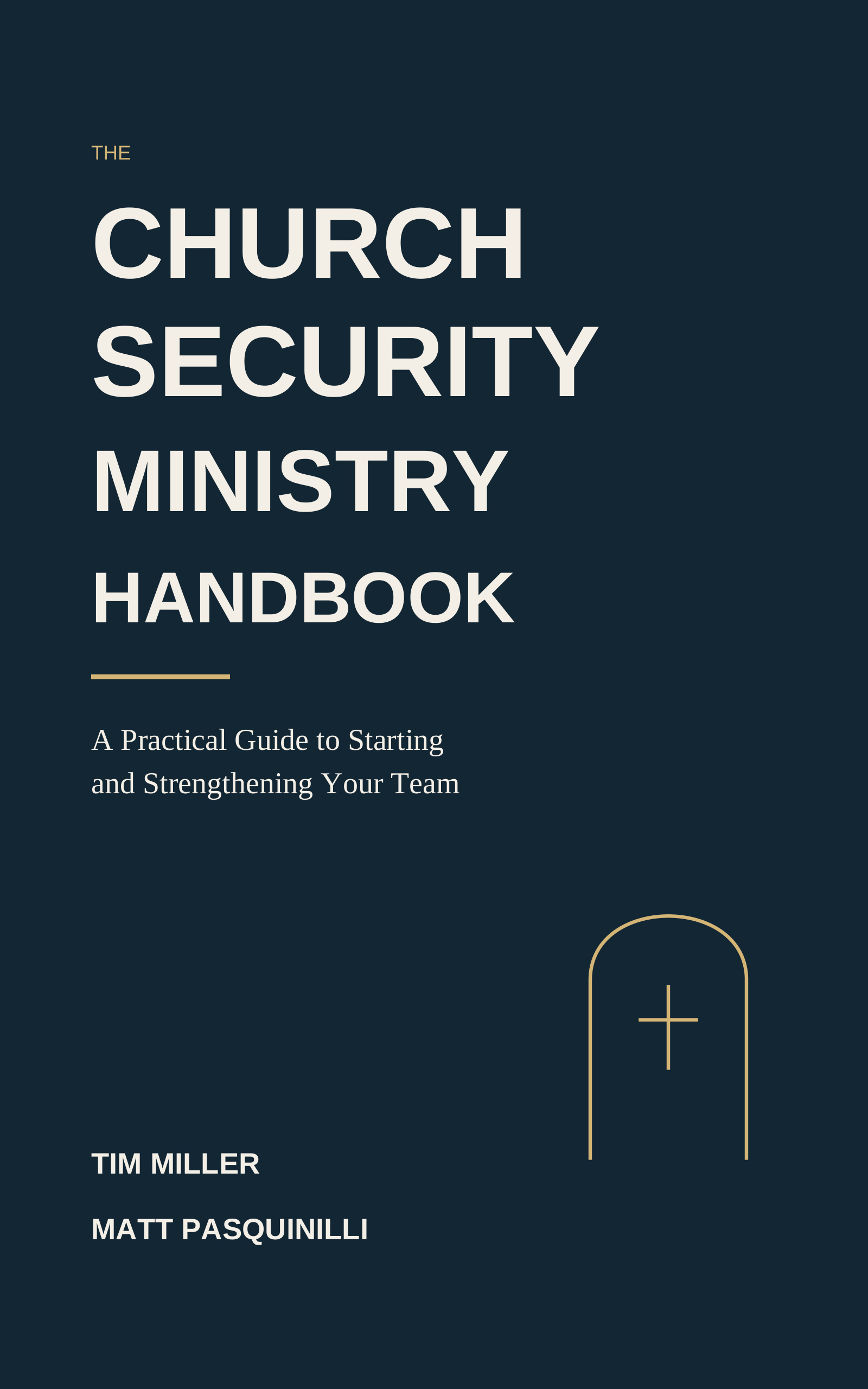
The Church Security Ministry Handbook by Tim Miller and Matt Pasquinilli.

Joining a church security team is an opportunity to serve. People come to church carrying grief, worry, excitement, and questions. They should find a welcoming congregation and volunteers who are attentive, prepared, and kind.

My work in security has reinforced a simple lesson: dependable daily habits matter. If you are new to a church security ministry, start with these ten habits and practice them with your team leader.

1. Put service before ego

Your assignment is to help people worship safely. Introduce yourself, give directions, and offer assistance. A friendly greeting can help someone feel welcome while giving you a chance to notice whether they need help. Be approachable. Your conduct represents both the security ministry and the church.

2. Know your assignment and your limits

Before serving, ask who leads the shift, where you are assigned, and how to request assistance. Read the church’s written procedures. Know which decisions belong to ministry leadership or emergency responders. Stay within your approved role and training. When you need relief, arrange coverage instead of leaving a gap.

3. Walk the campus before you need the plan

Learn the building names, entrances, exits, meeting areas, and routes used by children’s ministries. Find the designated shelter and reunification locations. Ask how people with mobility or communication needs will receive assistance. Walk the routes with an experienced member; reading a floor plan alone does not build familiarity.

4. Arrive early and check your equipment

Allow time for the briefing, radio check, and a walk through your assigned area. Ask about special events or changes to the normal service. Report blocked exits, malfunctioning doors, or other hazards through the church’s maintenance process. Keep your personal phone put away while on assignment unless it is needed for your duties.

5. Describe behavior instead of labeling people

Pay attention to observable actions and context. A person making a specific threat requires a different response from a visitor who seems unfamiliar or uncomfortable. Report what you actually saw or heard. Race, appearance, disability, or religious background alone does not establish a threat. Avoid treating an assumption as a fact.

6. Make your radio message useful

Use the church’s agreed terminology. Give your location, a brief description of the situation, and the help needed. For example: “East lobby. A visitor needs assistance finding the children’s check-in desk.” Practice routine messages before an emergency. For immediate danger, call 911 as soon as safely possible; do not let an internal approval chain delay emergency help.

7. Practice calm communication and safe disengagement

Speak respectfully, listen, and give people room. Avoid arguments, public embarrassment, or crowding an upset person. Follow your training and involve the team leader early. If violence is imminent or occurring, prioritize safety and emergency notification. De-escalation is a useful skill, but a new volunteer should never feel obligated to handle a dangerous encounter alone.

8. Respect children’s ministry procedures

Learn the approved check-in, pickup, and concern-reporting process before your first assignment. Refer exceptions and disputed pickups to the designated leader. Familiarity with a family does not replace the release procedure. Keep information about children and families confidential, and follow the church’s safeguarding rules consistently.

9. Build medical readiness through training

Find the first-aid supplies and AED, and know how to summon the medical team and direct responders to the correct entrance. Ask about qualified CPR, AED, first-aid, and bleeding-control instruction. Training gives a volunteer useful skills and a clearer understanding of their limits. Keep equipment checks and refresher training on the team calendar.

10. Finish with facts and one improvement

Use the approved incident-report process when something needs documentation. Record observations, times, notifications, and actions without speculation. Share sensitive information only with authorized people. After a drill or incident, ask what worked and what should change. Assign an owner to the improvement so the discussion becomes action.

First-service checklist for a new church security volunteer

Use this short checklist with your team leader before taking an assignment. Keep private contact information and operational details in the church’s approved records.

  • Confirm your assignment, shift leader and relief arrangements.
  • Check your radio and practice one routine message.
  • Know how to request medical help and notify emergency responders.
  • Review the children’s check-in and release procedure for your role.
  • Find the approved reporting process and arrange a short debrief.

What should a new church security team member learn first?

Begin with responsibilities, communication and the church’s written procedures. Walk your assigned area with an experienced volunteer and ask how to get help. Choose one habit from this guide to practice during the next briefing.

How can a church team continue training?

Use a short discussion, a clearly assigned action and a follow-up date. Review the organization preparedness checklist for planning around outages. Teams supporting a church school can also use the school security training resources and school tabletop exercise template, adapted through their own leadership.

For more reading, browse Matt Pasquinilli’s security and preparedness books.

Check the team’s supply gaps

Ask your team leader what is missing before buying equipment. My Church & School Safety Team Supplies collection on Amazon (paid link) brings together identification, radio accessories, lighting, basic consumables and organization options. Confirm compatibility and your church’s approved procedures.

As an Amazon Associate I earn from qualifying purchases.

Build a prepared, welcoming church security ministry

Choose one tip to discuss at your next briefing. Practice it, identify a gap, and correct it together.

For a practical framework, Tim Miller and I wrote The Church Security Ministry Handbook. The Thinkific download includes the complete handbook in PDF and EPUB plus a printable toolkit with forms and tabletop exercises to help your team turn preparation into consistent practice.

Get the church security ebook and toolkit on Thinkific.

Further team-training resources: CISA’s Mitigating Attacks on Houses of Worship Security Guide, Perimeter Security Considerations, and De-escalation Action Guide. Apply these tips through your church’s approved procedures and qualified training.

The Facilities Director’s Role in School Security: CPTED Starts with a Well-Cared-for Campus

Some of the most important contributions to school security happen long before a security officer responds to a concern. They happen every day, through the consistent work of people who take pride in the condition of the campus.

At one of our campuses, I have the privilege of working alongside an exceptional Director of Facilities. His work is visible everywhere: the campus is clean, attractive, orderly, and fully functional for the students and teachers who depend on it. But what stands out most is not simply the finished appearance. It is the fastidious attention to detail, the conscientious work ethic, and the steady follow-through behind it.

As the Director of Security, that makes my job easier in ways that are sometimes overlooked. His work supports one of the foundational ideas in school safety: Crime Prevention Through Environmental Design (CPTED).

Why a well-maintained campus is a security asset

CPTED is the practice of using the design, use, and ongoing care of the built environment to reduce opportunities for crime and help people feel safe. It is not a substitute for sound security procedures, trained people, or strong relationships with law enforcement. It is one important layer that makes the entire environment work better.

1. Natural surveillance: visibility matters

Well-kept landscaping, clear walkways, working exterior lighting, and uncluttered common areas help preserve sightlines. When shrubs, stored equipment, or neglected areas obstruct views, they can create hiding places and blind spots. A facilities team that notices and corrects those details helps staff, visitors, and security personnel see what is happening around them.

2. Access control: the environment should guide movement

Doors, gates, locks, closers, fencing, signs, and visitor routes all have to work as intended. A beautiful campus is not secure if a gate does not latch, a door is unreliable, or an access point is confusing. Consistent inspection and prompt repair help keep people moving through the entrances and routes the school intends them to use.

3. Territorial reinforcement: care communicates ownership

A campus that is orderly, clean, and cared for sends a quiet but powerful message: this place is valued, monitored, and used by a community that takes responsibility for it. Clear boundaries, well-maintained signs, defined entrances, and attractive shared spaces help students, staff, families, and visitors understand where they belong and where they should go.

4. Maintenance: the principle that keeps the others working

Maintenance is not merely cosmetic. Broken lights, damaged fencing, malfunctioning locks, overflowing waste areas, and neglected landscaping can undermine visibility, access control, and the sense of ownership. Ongoing care prevents small defects from becoming persistent vulnerabilities. The standard has to be maintained every day, not just before an event or inspection.

Security is a team effort

Security directors can write policies, conduct assessments, coordinate drills, train personnel, and identify vulnerabilities. But we rely on facilities professionals to turn many of those recommendations into a dependable physical environment. A repaired latch, a clear sightline, a properly maintained gate, or a promptly addressed maintenance issue can make a practical difference to the people protecting and using the campus.

That is why I want to recognize our Director of Facilities. His work product is excellent, but the value goes beyond appearance. His consistency, attention to detail, and personal standards strengthen the campus environment and support the safety mission every day.

To every facilities director, custodian, maintenance technician, and grounds professional serving a school: your work matters to school security. You are not simply keeping a building clean or making a campus look good. You are helping create an environment that is visible, orderly, functional, welcoming, and harder to misuse.

School safety is not one department’s responsibility. It is a shared commitment—and sometimes one of its strongest layers is the person who notices the small things and takes the time to make them right.

Continue with a practical learning step

For an organized starting point, explore Matt’s free School Security Fundamentals course. Review the curriculum and enrollment details, then choose one topic to discuss with your facilities and security teams. Online training supports your organization’s approved procedures; it does not replace a site-specific assessment.

A short facilities-and-security review

Choose one campus area for a joint walkthrough. Use approved internal records to document specific findings and assign follow-through.

  • Review whether routine movement follows the intended visitor route.
  • Check that maintenance concerns have an assigned owner.
  • Identify one visibility or housekeeping issue to discuss.
  • Agree how to verify that a completed repair works as intended.

Continue with the school visitor management checklist, the after-action review and corrective-action guide, or the school security resource hub.

Read, Discuss, Follow Through: A Three-Session Preparedness Book Plan

Cover of Grid Down and EMP Preparedness by Matt Pasquinilli

A preparedness book can give you plenty to think about. The useful next step is deciding what you want to understand, which questions remain open and who needs to join the conversation.

Here is a three-session reading plan for my Grid Down and EMP Preparedness: A Practical Handbook for Individuals, Households, Businesses, and Groups. These are suggested reading prompts for this article, not excerpts or chapter titles from the book.

Paid link: The Amazon link below is an affiliate link. As an Amazon Associate I earn from qualifying purchases. Amazon shows current formats, prices and availability.

Grid Down and EMP Preparedness book cover

Session one: choose the question you are reading to answer

The handbook covers planning for water, food, medical needs, communications, security and business continuity. Rather than trying to tackle every subject at once, choose one area you want to understand better.

Before you read, write a sentence such as, “I want to understand which communication questions our household has not discussed.” For an organization, your question might concern responsibilities or how a planning worksheet could support an existing review.

Read the relevant material, then record what it helped clarify. Keep assumptions visible. “We think this is available” and “We have confirmed this” should not become the same note.

Session two: turn your notes into a conversation

Return to the book with someone involved in your plan. Choose two or three questions from the first session. Explain the issue in your own words and compare what each person understood.

For a household, that may be a conversation about who needs information and where existing contact details are kept. At work, use the appropriate planning lead and your organization’s approved procedures. Avoid publishing private contact information or security details in a public discussion.

Write down questions that need an authoritative answer. A book can support your planning, but local emergency instructions, qualified professional guidance and equipment instructions remain important. Do not use a reading exercise to improvise medical care or change an organization’s emergency procedures.

Session three: close one learning gap

Review your notes and choose one follow-up. It could be rereading a section, asking a responsible person to clarify an existing procedure, or finding the current official guidance for a question you identified.

Give that follow-up an owner and a review date. Keep the task small enough to finish. Buying equipment is not a requirement for completing this reading plan; you may first need a clearer question or better information.

Prefer a guided learning sequence?

The First 72 Hours: A Practical Preparedness Course provides seven self-paced reading lessons, copy-and-print worksheets and a family tabletop drill. This is a reading-based course, not a video demonstration series.

Review the First 72 Hours curriculum — $29 one-time. The book, course and free hub are separate options; choose the format you need rather than buying everything.

A simple reading record

  • Topic: What am I reading about?
  • Clarified: What do I understand better?
  • Unconfirmed: What still rests on an assumption?
  • Follow-up: Who will answer the next question, and when will we review it?

If you already own the book, use these prompts with your next reading session. If you are considering it, view Grid Down and EMP Preparedness on Amazon (paid link) and review the current listing.

For free companion resources, visit the Grid Down Preparedness hub. For the broader overview of supplies and planning, read When the Power Goes Out. Explore my other guides and fiction on the books page.

Which Self-Defense Book Should You Start With? A Guide for Older Adults and Beginners

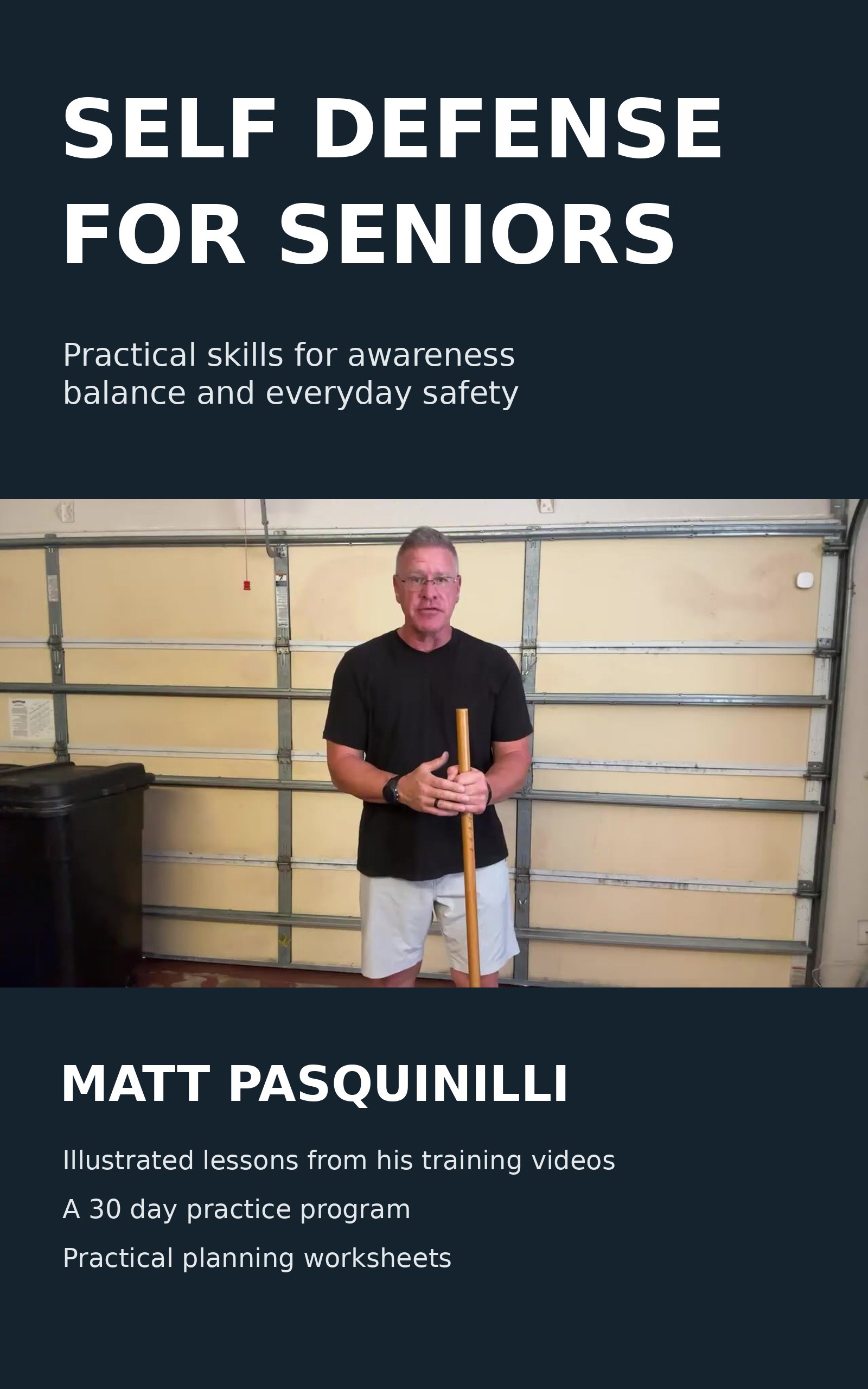
Cover of Self Defense for Seniors by Matt Pasquinilli

Start with the question you want your next book to help you answer. Are you looking for a broad introduction to everyday personal safety, or a more focused introduction to learning with a cane?

My two self-defense guides approach those needs differently. Here is a straightforward way to choose your starting point without turning your reading list into another unfinished project.

Paid links: The Amazon links below are affiliate links. As an Amazon Associate I earn from qualifying purchases. Check Amazon for current formats, prices and availability.

For a broader everyday-safety focus

Self Defense For Seniors book cover

Self Defense For Seniors: Practical Skills for Awareness, Balance, and Everyday Safety focuses on awareness, boundaries, balance and practice adapted to your abilities. It includes illustrated material, planning prompts and a practice program.

Choose this starting point if your question is, “How can I organize the different parts of everyday personal safety?” You can use your reading to identify the topics you want to understand better before deciding what further instruction you need.

View Self Defense For Seniors on Amazon (paid link)

For a focused introduction to cane training

Practical Cane Self Defense book cover

Practical Cane Self Defense: An Illustrated Guide for Older Adults and Beginners introduces awareness, cane handling, balanced movement and controlled practice. Its illustrated lessons draw on my instructional videos.

Choose this starting point if you want a book specifically organized around beginning cane training. Reading can help you become familiar with the vocabulary and identify questions to bring to an instructor. It does not replace supervised instruction or establish that a movement is suitable for you.

View Practical Cane Self Defense on Amazon (paid link)

Give your first reading session one purpose

You do not need to finish a book in one sitting. Choose a short section and write down three things:

  • The idea: What is the section asking you to understand?
  • The question: Which part needs clarification or individual guidance?
  • The next reading: What section will you return to next?

Keep reading notes separate from claims about what you can do. Understanding a description and performing a skill reliably are different things. If a physical lesson is unfamiliar or unsuitable for your abilities, leave it as a question for qualified guidance rather than trying to force it.

Choose one book, then follow through

If both topics interest you, start with the one that matches your current question. Keep the other on your reading list. A focused first choice makes it easier to return to the material and notice what you still need to learn.

Browse the complete books page for my self-defense, school-security, preparedness and fiction titles. If you already have one of these guides, open it to the section you want to understand better and begin there.

When the Power Goes Out: A Practical Grid-Down Preparedness Guide

Cover of Grid Down and EMP Preparedness by Matt Pasquinilli

Prepare. Don’t panic.

The power is out. The phones are unreliable. Stores may not be open. What does your family need to do next?

A practical guide to preparing your household, workplace and community for an extended outage.

By Matt Pasquinilli · Marine veteran, security professional and self-defense instructor

It is easy to assume that the lights will be back on in an hour. Most of the time, they are. But hurricanes, storms, equipment failures and other disruptions can leave a household or organization without normal power for much longer.

Preparedness does not mean predicting exactly what will happen. It means giving the people who depend on you more options when normal services are interrupted. You do not need a bunker or a warehouse full of expensive gear. You need safe water, food, information, basic supplies and a plan people can use.

Affiliate disclosure: Links marked “paid link” are Amazon affiliate links. I may earn a commission from qualifying purchases at no extra cost to you. As an Amazon Associate I earn from qualifying purchases. The equipment below is offered as options to compare; I am not claiming to have personally tested each item. Check the current listing, seller, compatibility, price and availability.

Start here: Choose a 72-hour goal, take stock of what you already own, and build toward two weeks as you can. For printable checklists and a worksheet, visit my Grid Down Preparedness hub.

First, make a plan for the people who count on you

Before you shop, write down who may need help: adults and children in your household, older relatives, neighbors who depend on assistance, and pets. Include dietary restrictions, mobility limitations, medications, medical devices, eyeglasses, infant needs and language or communication needs. A plan built for an imaginary “average person” may miss the people standing right beside you.

Choose an out-of-area contact, two meeting places and more than one way to receive local alerts. Put phone numbers and addresses on paper. Decide who picks up children, checks on a relative or brings the evacuation bag if you have to leave. Walk through the plan together, including what happens if phone service does not work.

  • Who is responsible for checking on each person?
  • Where will you meet if you cannot return home?
  • What would make you stay, and what would make you leave?
  • How will you reach an accessible, safe destination?

Preparation for a hurricane, a power outage and a mandatory evacuation may overlap, but they are not identical. Follow local emergency alerts and evacuation instructions for the conditions you actually face.

Start with water

Water is often the first gap I ask people to examine. The CDC recommends storing at least one gallon per person per day for three days and, if possible, working toward a two-week supply. This is a starting point for drinking and basic uses—not a complete estimate for every situation. Plan more for hot weather, illness, pregnancy, pets, cooking and additional sanitation needs.

Water baseline: one gallon per person per day
Household 3 days 14 days
1 person 3 gallons 14 gallons
4 people 12 gallons 56 gallons
6 people 18 gallons 84 gallons

Unopened commercial bottled water is a simple option. If you fill your own containers, use appropriate clean, food-grade containers and follow the CDC’s cleaning and storage guidance. Label them and replace home-stored water every six months. Water weighs about 8.3 pounds per gallon, so distribute the load safely and select containers you can lift.

A filter or purification tablet can be a backup, but it is not a universal solution. Follow local water advisories and the treatment product’s instructions. Boiling or ordinary camping filtration does not make water contaminated with fuel or harmful chemicals safe.

Water container to compare: Reliance Aqua-Tainer 7-gallon water container on Amazon (paid link). A filled seven-gallon container holds more than 58 pounds of water before the container’s weight, so smaller containers may be a better fit for many households. Check the exact model, storage and cleaning instructions.

Build a food supply from meals you already eat

Think in complete meals, not a pile of random cans. Four people eating three meals a day for three days need 36 individual meals, plus snacks. Start with shelf-stable foods your family knows how to prepare and will actually eat: canned beans and vegetables, ready-to-eat tuna or other protein, fruit, peanut or seed butter, crackers, oats, shelf-stable milk and foods that fit your household’s dietary needs.

Separate food you can eat without cooking from food that requires water or fuel. Add a manual can opener, utensils and a way to wash up. If you buy packaged emergency food, check the total calories, serving sizes, allergens, preparation requirements and shelf life. A “serving” is not automatically a meal.

Rotate your supplies into normal meals and replace what you use. Store them in a cool, dry place away from fuel, chemicals and floodwater. For babies, discuss safe feeding and formula needs with a healthcare professional ahead of time. Stock pet food as well.

Protect refrigerated food during a blackout

Keep refrigerator and freezer doors closed as much as possible. FoodSafety.gov says an unopened refrigerator generally keeps food cold for about four hours; a full, unopened freezer holds its temperature for about 48 hours, or 24 hours if half full. These are estimates, not guarantees. Use appliance thermometers and follow the agency’s food-specific discard guidance. Never taste food to decide whether it is safe.

Useful options: Compare manual can openers (paid Amazon search) and compare refrigerator and freezer thermometers (paid Amazon search). You may already have both at home.

Light, information and communication

Keep a flashlight or headlamp in a consistent location for every person who needs one. Store spare batteries in the correct sizes and test the lights periodically. Battery-powered lighting reduces the fire risk of candles.

A battery-powered or rechargeable radio can help you receive local information when internet access is unreliable. In the United States, check reception for NOAA Weather Radio and local AM/FM stations before you need them. A weather radio is primarily a receiver; it is not a replacement for a phone or a two-way communication plan.

Radio to compare: Midland ER310 emergency weather radio on Amazon (paid link). The manufacturer lists NOAA weather reception and several power options. Charge it ahead of time and practice tuning it; solar and hand-crank charging are backups, not unlimited power. Check local reception and the listing’s included accessories.

Lighting option: Explore the flashlight featured in my gear guide (paid link). Compare battery requirements, controls and size before ordering. Keep a charged phone power bank and matching cables, but remember a charged phone still needs an available network.

Backup power: calculate before you buy

A power bank, portable battery station and fuel-powered generator solve different problems. A phone power bank can support small devices; it will not run an entire home. To size a larger system, list each essential device, its running watts, starting surge if applicable, hours of use and required connections. For a battery station, a rough starting estimate is usable watt-hours divided by load watts; real runtime is lower because of conversion and other losses. Ask a qualified provider about life-sustaining medical equipment.

Generator safety matters. The Consumer Product Safety Commission says to operate portable generators outdoors only, at least 20 feet from the home, with exhaust directed away from homes and other building entrances. Never run one in a garage, shed, porch, carport or other enclosed or too-close space—even with doors open. Install and test carbon monoxide alarms with battery power or backup. Never backfeed a home through an outlet; consult a qualified electrician about an appropriate transfer setup. Follow the manufacturer’s weather and fuel instructions.

Compare: Battery-operated carbon monoxide alarms (paid Amazon search). Select a listed alarm and install and maintain it according to its instructions; an alarm does not make indoor generator operation safe.

Sanitation, medicine and the details people overlook

If the water goes off, how will you wash hands, flush toilets or manage waste? Store soap, hygiene items, toilet paper, bags, cleaning supplies and menstrual products. Learn what your local emergency-management agency recommends for temporary sanitation and waste disposal. Add diapers, infant supplies and pet waste supplies where needed.

Keep a basic first-aid kit, the skills to use it and a current list of medications and pharmacy contacts. Discuss extra prescriptions, refrigerated medication, oxygen, powered devices or other critical care requirements with your healthcare professional and equipment supplier before an emergency. Determine where you would go if you could no longer maintain safe temperatures, power or essential care.

Compare: Household first-aid kits (paid Amazon search). Check the actual contents and expiration dates, and add supplies appropriate to your training and needs.

Prepare for your business or organization

A business, church or school needs more than a larger shopping list. It needs clear decisions and people assigned to make them. Start with the services your organization depends on: electricity, water, sanitation, communications, transportation, access controls, refrigeration, staffing and suppliers.

  • Assign leadership: Identify an incident lead and backup, and keep an offline contact list for staff, vendors, property management and emergency partners.
  • Account for people: Include visitors, contractors and individuals who need assistance. For schools and care settings, use approved guardian verification and reunification procedures.
  • Decide what can continue: Identify critical functions and plan safe manual alternatives for records, communications and payments where appropriate.
  • Set closing or relocation triggers: Consider unsafe temperatures, loss of sanitation or water, staffing shortages and inability to support medical needs.
  • Arrange a destination: Confirm transportation, a receiving site and a handoff before you count relocation as an available option.
  • Train and improve: Hold a short tabletop exercise, document gaps, assign owners and follow up.

When people cannot simply go home, the decision to relocate must come before an essential service fails. Estimate the earliest likely shortfall, then subtract mobilization time, travel time, receiving time and a safety margin. Recheck those assumptions with your local partners.

Prepare on a budget: a four-week start

  1. Week one — plan: Write contacts and meeting places. Inventory the water, food, batteries, lights and supplies you already have.
  2. Week two — water: Add safe water toward your three-day target. Choose a storage location that is accessible and supports the weight.
  3. Week three — food and health: Add a few extra shelf-stable foods during regular shopping. Check medications, first aid, the can opener and individual needs.
  4. Week four — test: Charge your devices, check radio reception, practice an evening without power and identify the next gaps.

After that, build toward two weeks at a pace your budget allows. If your goal is 30 days or more, consider resupply, sanitation, fuel, transportation, staffing and medical support—not just how much food can fit on a shelf. Share knowledge and make plans with trusted family members and neighbors.

Keep an evacuation option ready

Some emergencies are safer to ride out at home. Others require you to leave. Know your local routes and accessible shelter options. Keep a carryable bag with essential medication, identification copies, contacts, water, light, a charging cable, clothing and supplies for dependents and pets. Keep a modest amount of cash in small denominations and protect important records.

Follow official evacuation orders. Leave early when your building is unsafe or you cannot provide safe temperature, water, sanitation or essential care. If moving would create a greater immediate danger, seek guidance from emergency officials and responders.

A simple 72-hour checklist

  • ☐ Written contacts, meeting places and a household communication plan
  • ☐ At least three days of safe water, with extra for pets and individual needs
  • ☐ Three days of familiar shelf-stable meals, snacks and a manual can opener
  • ☐ Medications, first aid and a plan for medical or accessibility needs
  • ☐ Flashlights, spare batteries, charged power banks and a working radio
  • ☐ Toilet, handwashing, hygiene, trash and pet supplies
  • ☐ Carbon monoxide and smoke alarms checked
  • ☐ Important documents, small cash and evacuation essentials
  • ☐ A safe place to go and a way to get there if staying is no longer safe
  • ☐ A date to practice the plan and replenish supplies
Cover of Grid Down and EMP Preparedness by Matt Pasquinilli

Take the next step with my preparedness ebook

I wrote Grid Down and EMP Preparedness: A Practical Handbook for Individuals, Households, Businesses, and Groups to help you turn general concerns into a working plan. It covers water, food, medical needs, communications, safety, business continuity and planning worksheets, with budget-conscious options.

View the ebook on Amazon (paid link)

Amazon shows the current formats, price and availability. For a free starting point, use the preparedness hub and checklists.

Preparation gives you choices

Start where you are. A written phone list, a few extra meals, safe water and a conversation around the dinner table are all progress. Build your plan one step at a time, practice it and help the people around you do the same.

What is the first gap you are going to close? Pick one task and put a date on the calendar.


Further reading: CDC emergency water storage · FoodSafety.gov emergency food safety · CPSC generator and carbon monoxide safety · Ready.gov business preparedness. Follow current local instructions and equipment guidance.
What If the Lights Went Out at School? Before the Lights Return

Book cover for Before the Lights Return by Matt Pasquinilli, showing a darkened school at sunset

During a school chapel service, the lights go out. The exit signs go dark. Phones and radios stop working. Outside, vehicles have stopped in the road. Nobody knows why.

That is the opening of Before the Lights Return: A Short Thriller, my fictional story about a school security director, a Christian school, and a community suddenly facing an unexplained blackout.

Explore Before the Lights Return on Amazon (affiliate link)

A crisis with no easy answers

Jack Mercer has hundreds of students and staff depending on him. His son is on campus, his wife is working at a hospital, and the usual ways of finding out what is happening are gone. The people around him must make decisions with incomplete information while trying to care for children, find loved ones, and help their neighbors.

The cause of the blackout remains uncertain. There are rumors and theories, but Jack and his colleagues have to deal with what they can see and what they can do next.

Why I wrote the story

My work in school security and my experience as a Marine veteran have taught me the value of preparation, clear thinking, and people who are willing to step forward when things get difficult. I wanted to explore those ideas through a story about ordinary people facing an extraordinary situation.

This is a thriller, but it is also a story about faith, family, friendship, and community. There are dangerous moments and hard choices, along with humor, compassion, and the hope that people can help one another when the plan meets reality.

The school, characters, and events are fictional. The book does not describe an actual school incident or predict a particular disaster.

A useful conversation to have at home

Fiction can give us a way to ask practical questions before an emergency. Do the people in your household know how to contact one another if phones are unavailable? Do you have a place to meet, a way to receive emergency information, and basic supplies for a power outage? Who nearby might need a hand?

You do not have to solve everything at once. Start with a conversation, write down the important details, and build from there.

Read Before the Lights Return

If you enjoy blackout stories, Christian fiction, and stories about courage under pressure, I hope you will take a look at Before the Lights Return.

Explore the book on Amazon (affiliate link)

As an Amazon Associate I earn from qualifying purchases.